Year-End Matching Challenge

To contact CCF USA please call our toll-free number: 1-866-909-3399, ext. 101.

Take the Matching Gift Challenge;
click Here to donate now!

Read on to see how your donations will help
save the cheetah:

A Family Affair

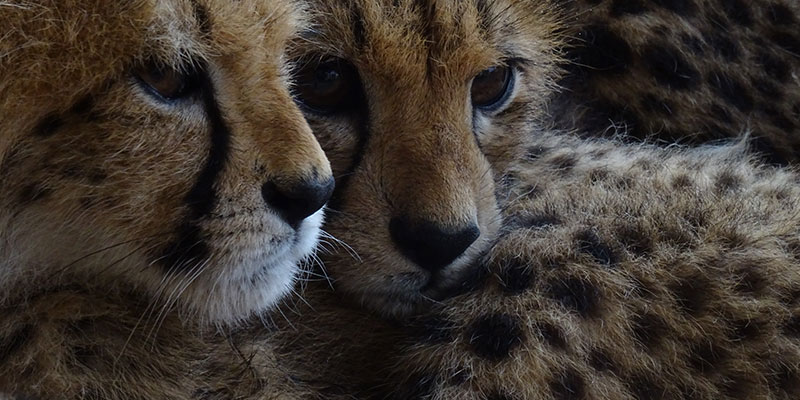
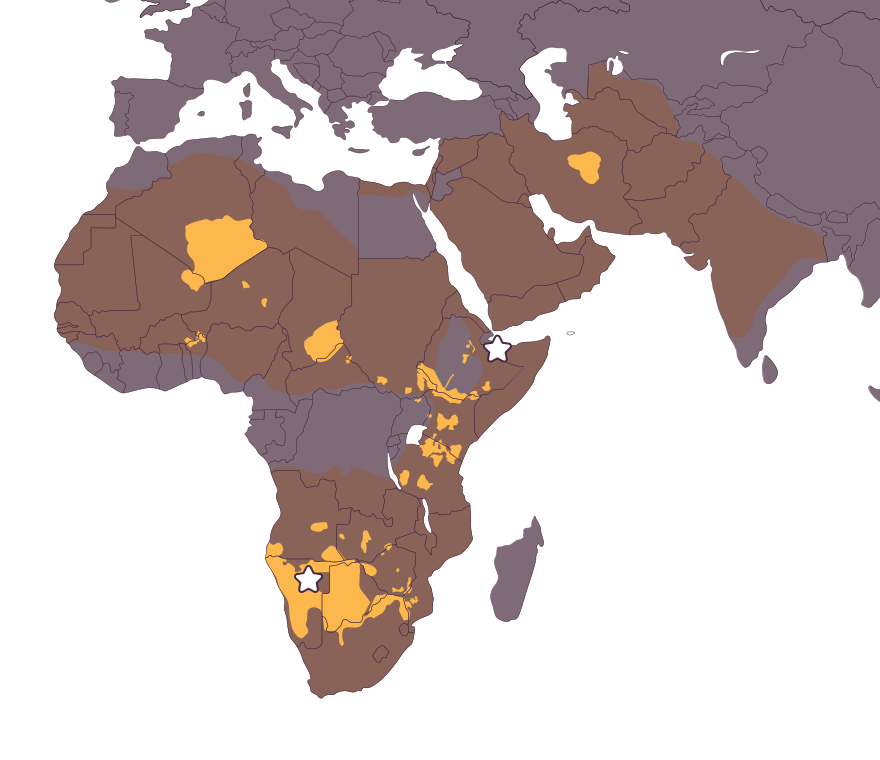
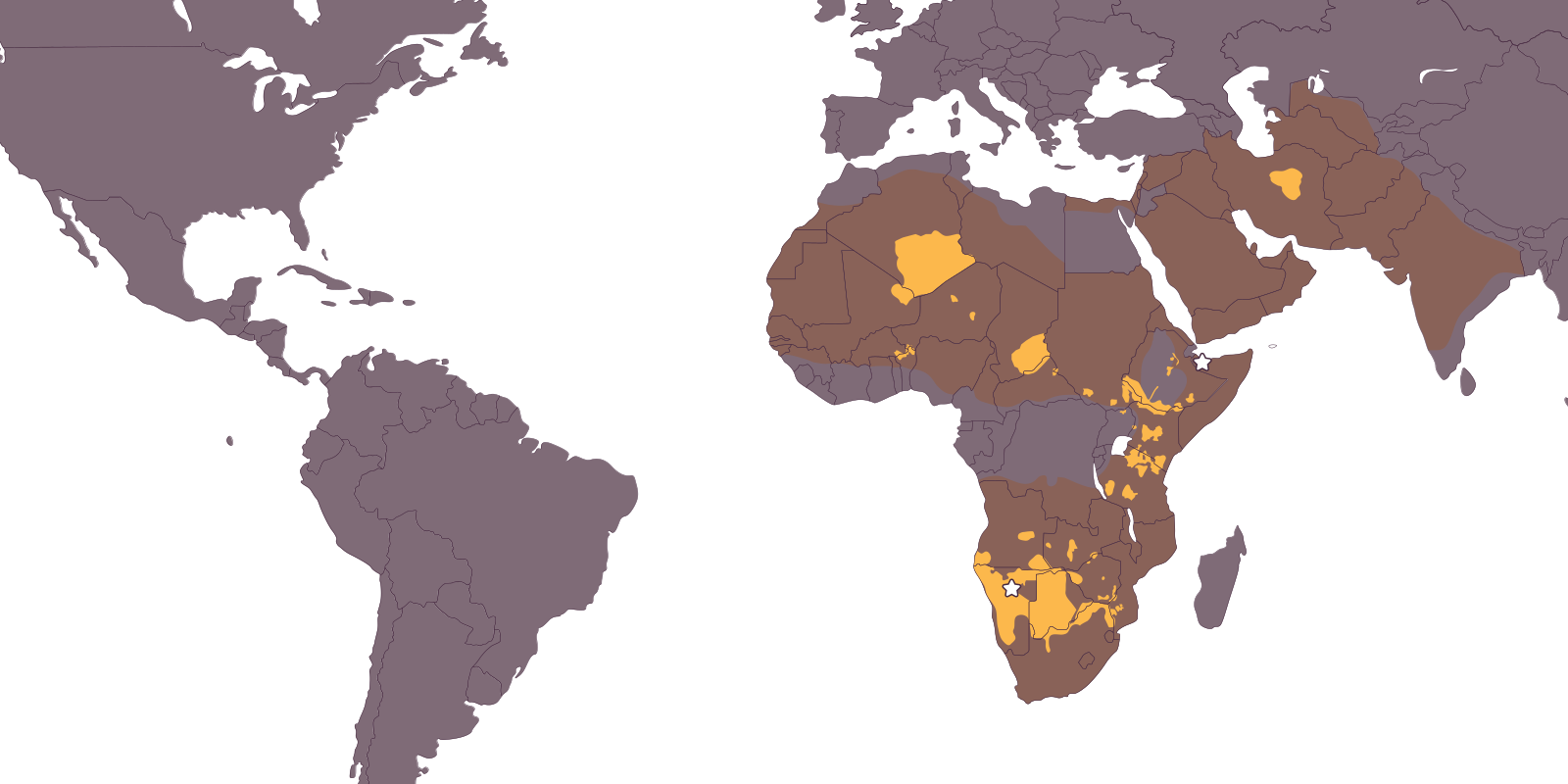
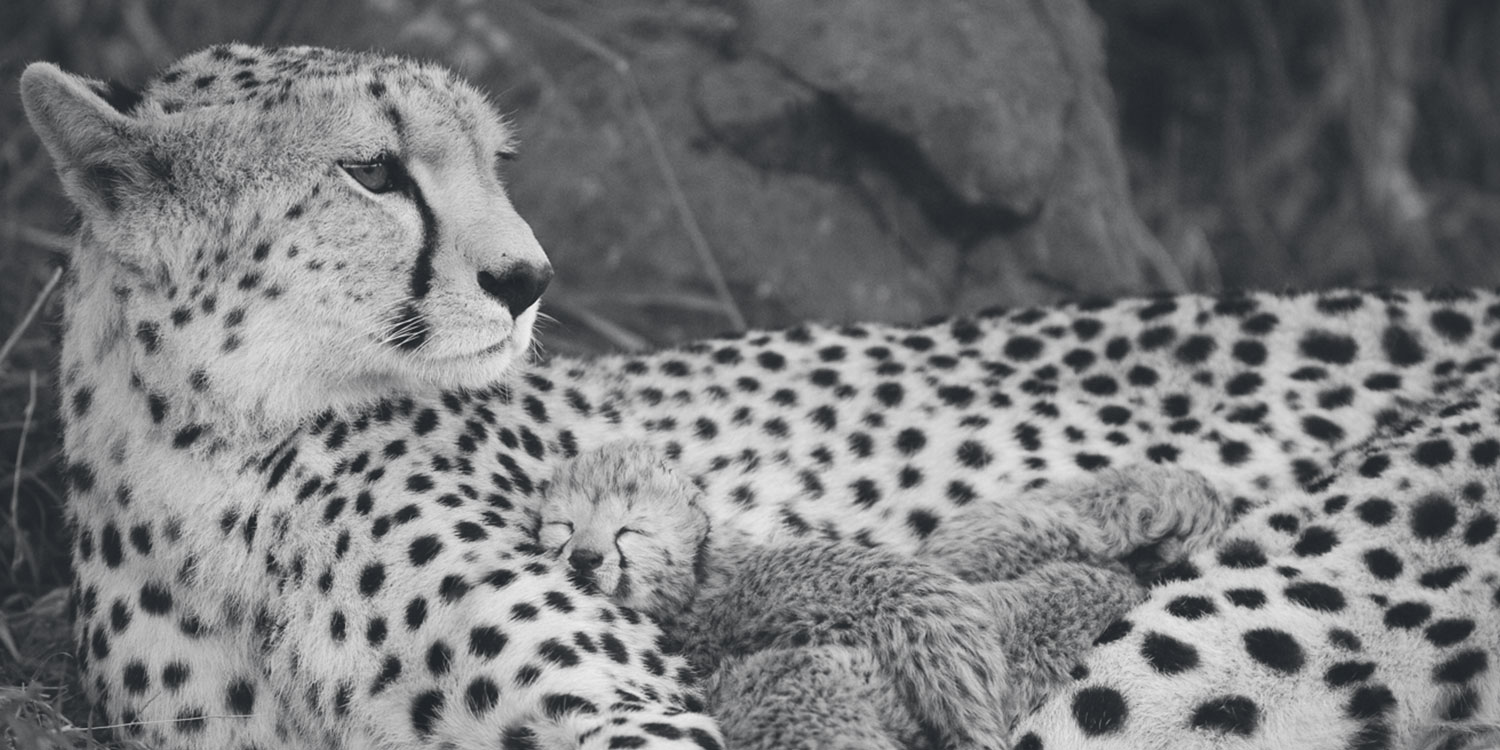
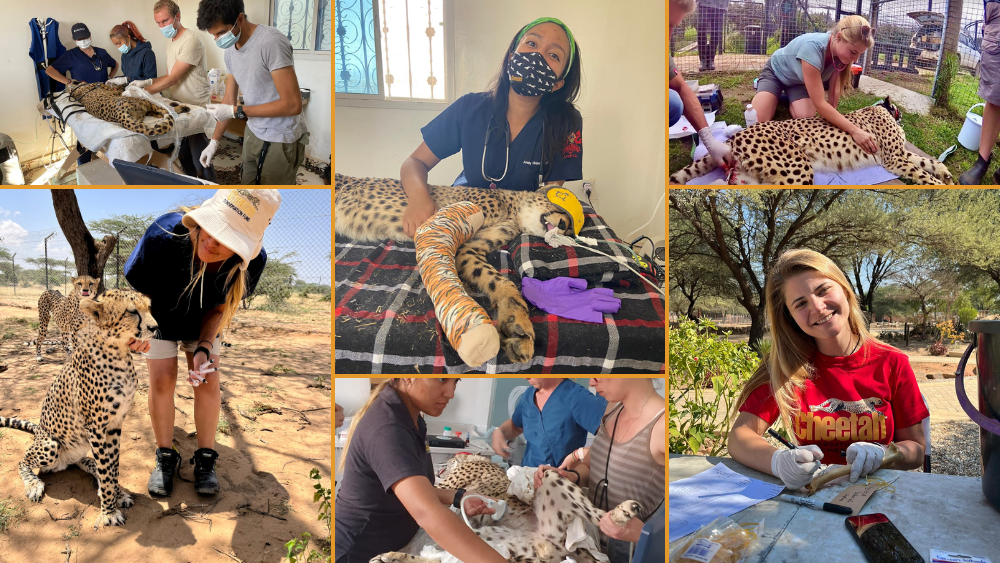
CCF has worked for two decades to teach farmers to coexist with cheetahs—and those efforts are paying dividends. A while back a livestock farmer became alarmed by the presence of a cheetah we later dubbed Wild Mum and her two nearly grown cubs near his livestock kraal. Rather than killing them on site, the farmer trapped them and contacted CCF. A medical exam at our vet clinic revealed that Wild Mum had a badly infected broken tooth, which certainly could have caused her problems in hunting. We had Wild Mum’s tooth repaired and fitted her with a satellite collar programmed to automatically drop off in five months. Then, Mum and her cubs were released on an unfenced portion of CCF’s property

When we knew the collar had dropped off, we went to locate the collar. To our surprise, we sighted Wild Mum and found a new litter of three young cubs hidden securely in a bush. Her previous cubs must have struck out on their own, as all eventually do.

We hoped to be able to keep track of the cubs, but without their mother’s collar, that would prove difficult. Just recently, though, this feline family was identified in a photo taken by a camera trap

As infant mortality for cheetahs ranges from 75 to 95 percent, the fact that all three young ones are still alive is truly miraculous. As a result of your support, CCF’s efforts ensured five new cheetahs have a chance to blossom in the wild. 


Helping People Helps Cheetahs

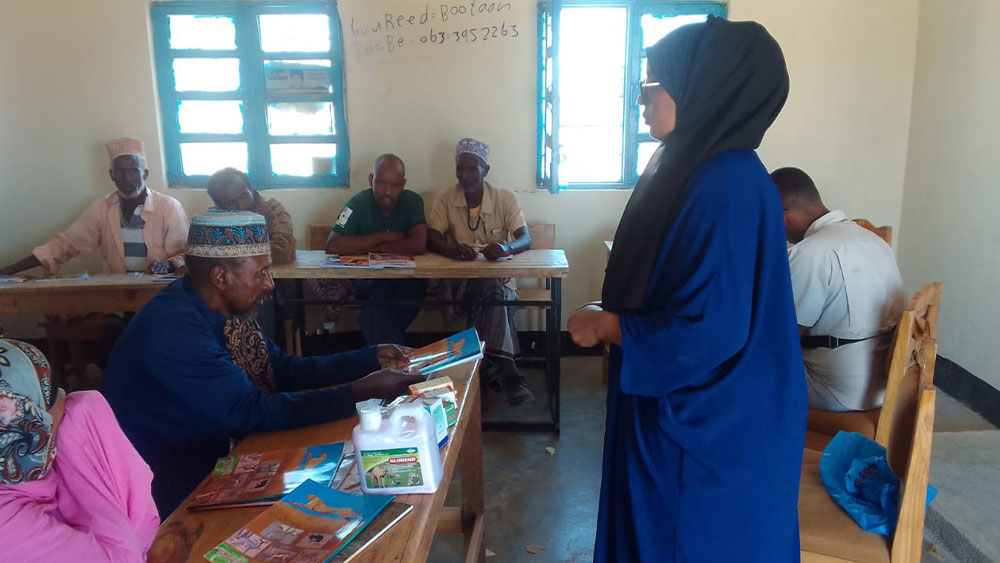
CCF doesn’t limit its work to cheetahs. Because most cheetahs are forced out of protected areas by more aggressive predators, they have to share land with livestock and game farmers. Most of these livestock farmers barely eke out a living as subsistence farmers. But with the proper training and guidance from CCF, livestock farmers like Melba Tjozongoro can thrive while co-existing with wildlife. CCF teaches farmers not only how to prevent predation of their livestock but also how to have healthier animals, because the stronger an animal, the more productive the herd. With the right management, a subsistence farmer can soon have surplus goats and sheep to sell.

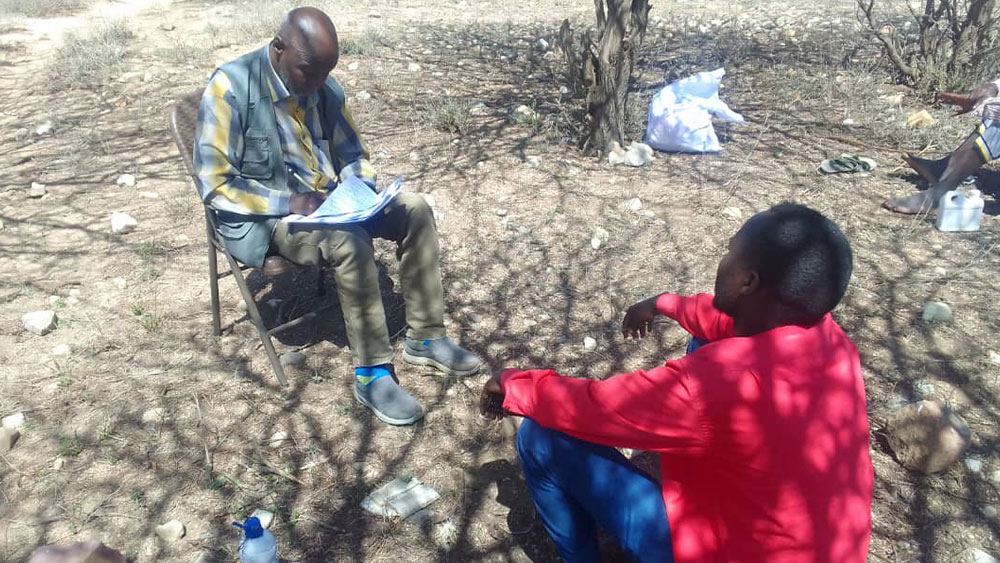
Melba was raised on a farm in Namibia. As a young adult, she farmed with small stock as well as cattle, but at a subsistence level. In 2004 she attended one of CCF’s week-long integrated livestock, wildlife and predator management courses. 

“I learned that you do not always have to kill predators, as there are ways to live with them,” Melba recalled.

Melba said she learned so much—in particular that she could make more money through good management of her small stock. She was very excited to learn that donkeys can assist in guarding calves, as many farmers in Namibia have donkeys.

Melba has since moved from subsistence farming to commercial farming. For her 40th birthday, she came to CCF with her husband to purchase some of our surplus goats and sheep. She now has 195 goats and 85 sheep—quite an accomplishment for a Namibian woman who started out as a subsistence farmer.

The Amazing Bonza

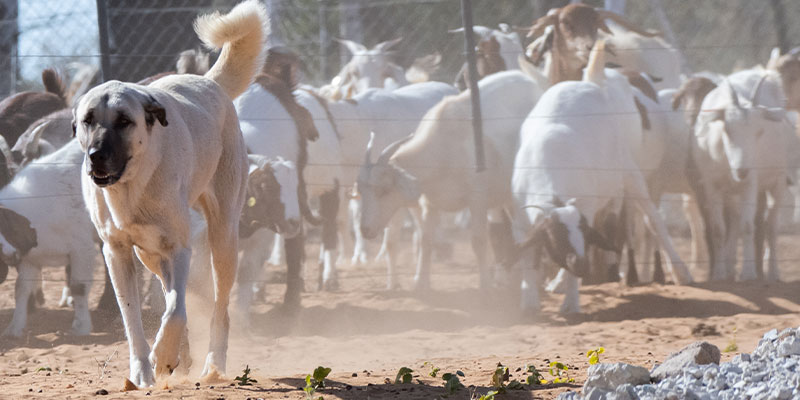
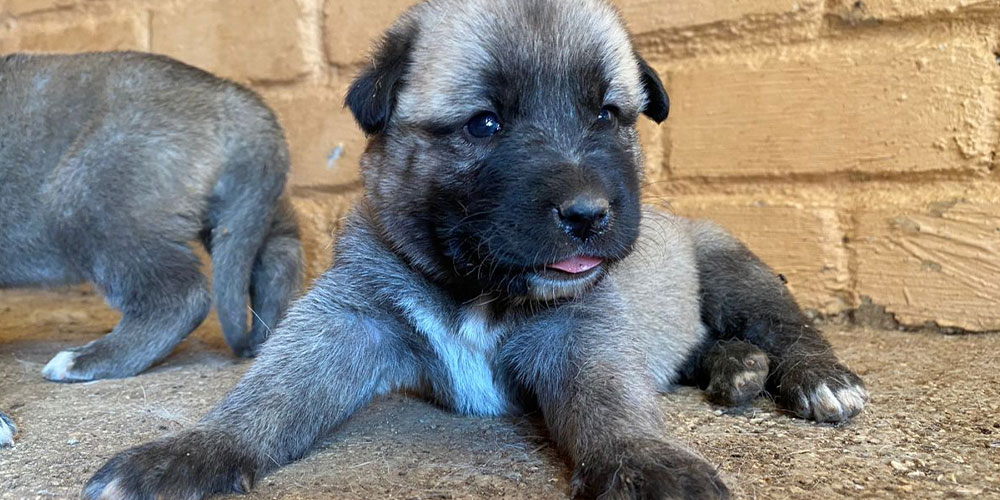
Bonza is one of almost 400 Anatolian Shepherds that CCF has bred and provided to farmers to protect their livestock from predators such as the cheetah. At the age of three months, the farmer to which Bonza had been given took him to the veterinarian because of his unusually round stomach. As a result, Bonza had surgery to remove a kidney and a damaged portion of the liver. With a long recovery period ahead for Bonza, we doubted that he would be able to continue guarding livestock. The early bond between the dog and livestock is crucial. Puppies are born in the goat kraal at CCF and must live with their herd full time thereafter. But Bonza would be away from his herd for months. After Bonza recovered, he returned to his herd and we all hoped for the best. 

The herder later reported to CCF staff that not long after Bonza returned to his herd, a cheetah came too close to the goats, and the young, brave Bonza chased it off after a skirmish that left a small wound on the dog’s back. Since then he has chased off another cheetah and he constantly keeps jackals away from the herd. The owners are understandably delighted with Bonza’s work as a guard dog—he has substantially reduced their losses since he started going out with the flock.

In that regard, Bonza is not surprising at all.

Help us save more cheetahs like Wild Mum and her cubs!
Your tax-deductible donation made by January 15 will be matched dollar for dollar up to $200,000!