
Volunteering in Kenya
Dear Prospective Volunteer,
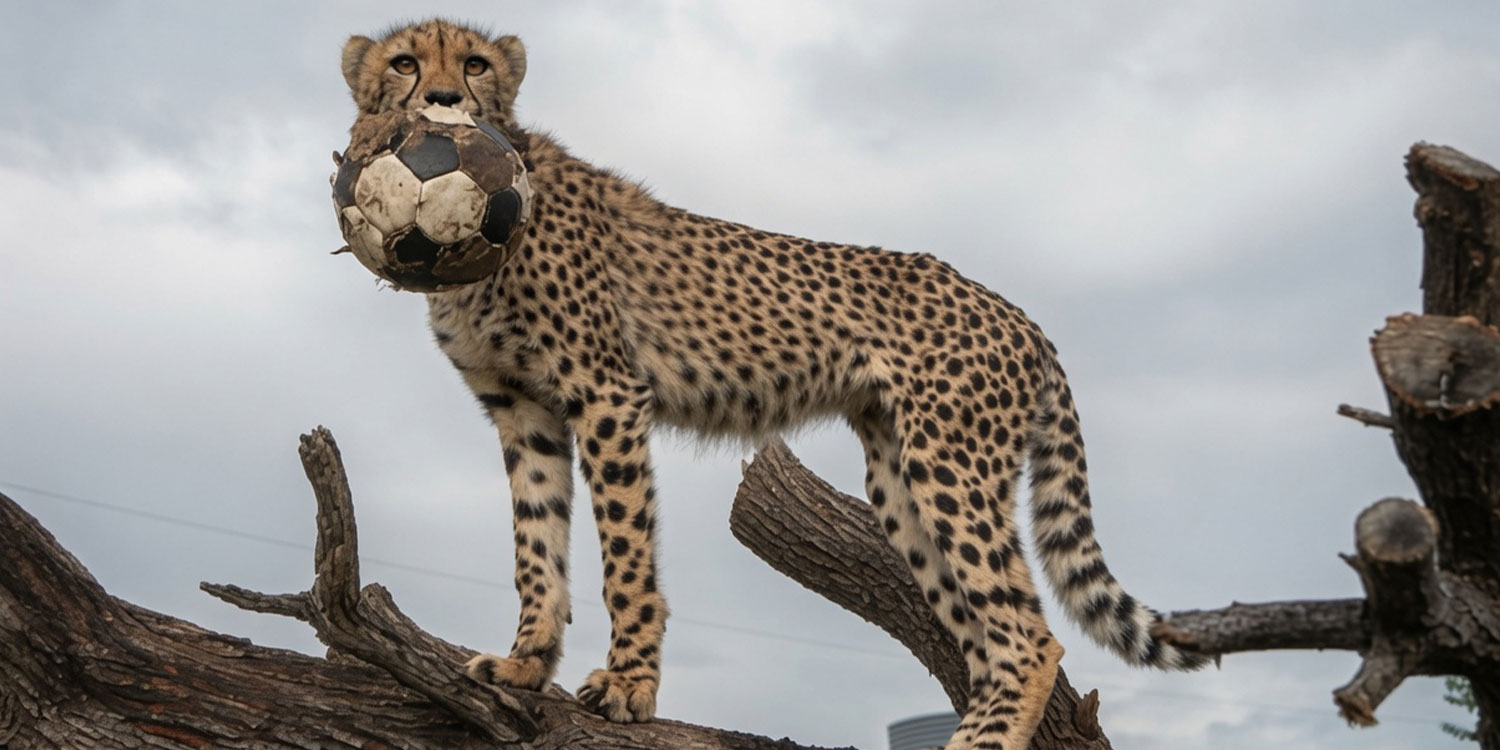
Thank you for your interest in volunteering with the Action for Cheetahs in Kenya (ACK). ACK was established under the umbrella of CCF Namibia to evaluate the pressures of habitat change and rapid human population growth and to understand issues facing cheetahs as they come into greater contact with mankind. Specifically, ACK conducts field research to understand predator conflict issues. The project implements educational programs to increase awareness by community members of cheetah issues. And in conjunction with the Kenya Wildlife Service, ACK evaluates the overall status of cheetahs within Kenya.
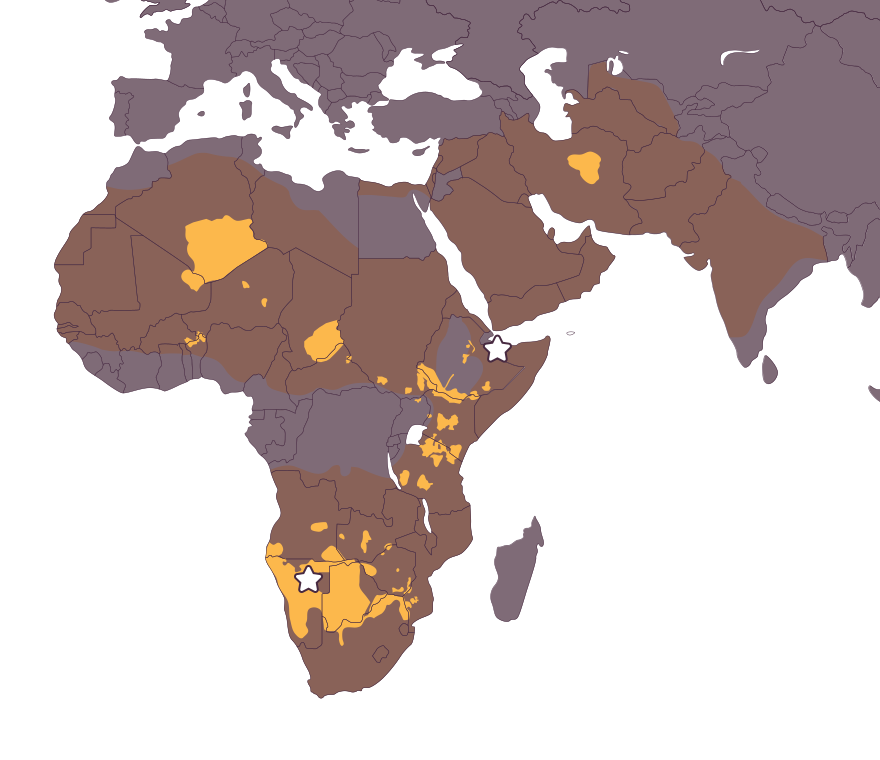
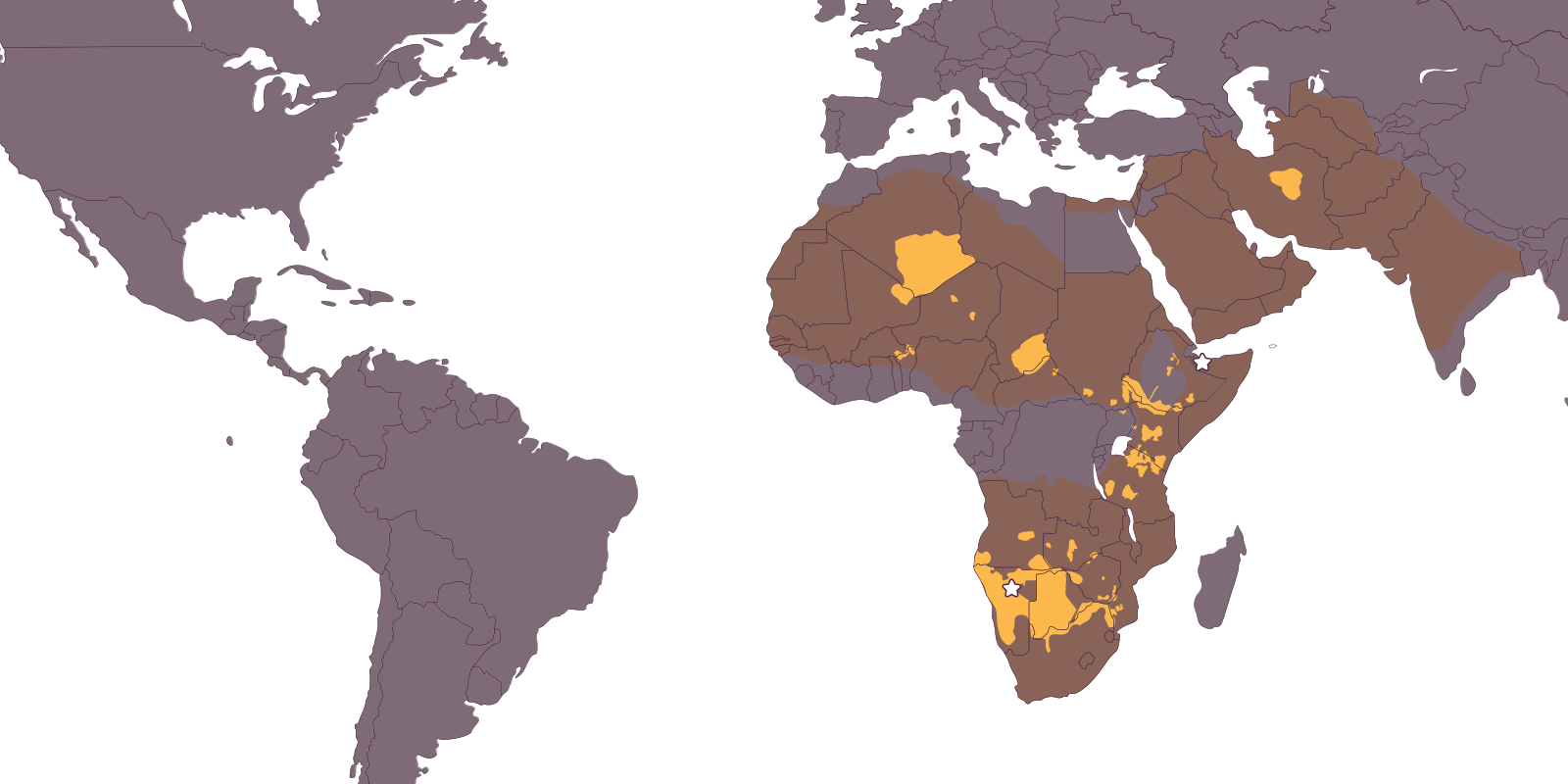
No one knows how many cheetahs are left in Kenya. Based on previous studies conducted in national parks, it is estimated that only 500-1000 may still be living in the wild. At this time, evidence suggests that the numbers are rapidly decreasing. Due to the fact that cheetah in other countries exist in high numbers outside of protected areas, it is essential that we achieve a greater understanding of ranch land habitat issues. Within national parks, large predators like lions, leopards and hyenas exist in large numbers, thus threaten the livelihood of cheetah. Outside of sanctuaries, these large predators are often chased out or killed. As a result, cheetah are believed to live in larger numbers on private ranch land. But since there have been no recent studies outside protected parks in Kenya, it is imperative that we learn more to reduce human/cheetah conflict.
In December 2001, I moved to Africa to initiate the study of ranch land issues in Kenya. ACK's base of operation is located in Nairobi. From this base a cheetah-monitoring program is conducted in the Salama area, about on hour southeast of Nairobi. Cheetah census activities are also underway on an international scale in collaboration with East African Wildlife Society, Kenya Wildlife and Save the Elephant.
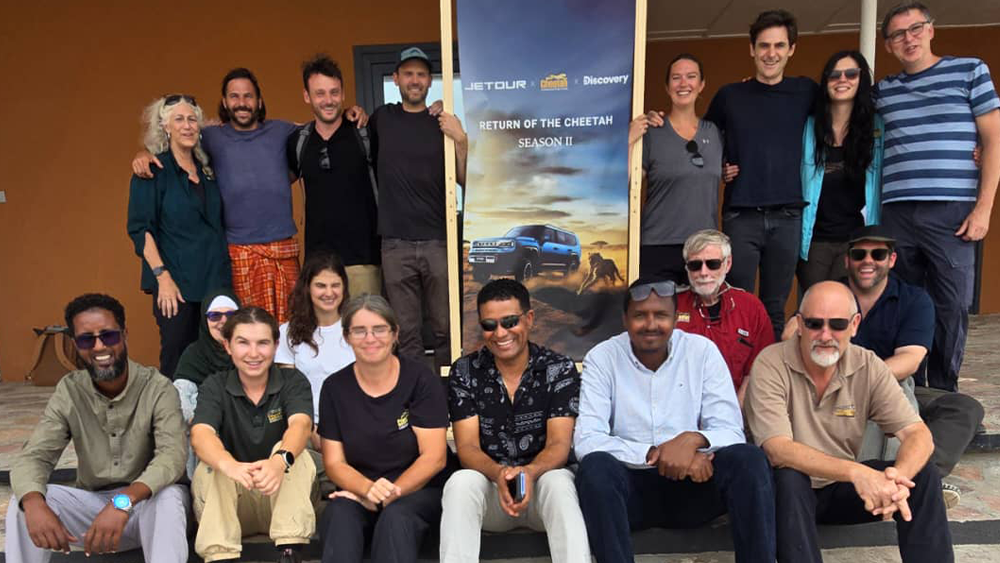
ACK is a grass roots project, which aims to develop long-term cheetah conservation programs and policies in Kenya. Thus, volunteers at ACK participate in a variety of tasks. Our work in Kenya differs from that in Namibia because we are still at an early stage of development. The best qualification for our program is a willingness to help and work wherever needed. We need people who are versatile and can work long hours, seven days a week. Much of our work is centered around community interactions, thus our volunteers have the opportunities to experience the culture of Kenya and rural living.
Unless you have made specific arrangements with the primary investigator, the following are work related activities you can anticipate while in Kenya:
Field Work
- Interviews- conflict confirmation i.e. species, spots, circumstances, assess damage
- Cattle dip interviews - health of livestock, predator perceptions and tolerance, predator and game sightings, conflict, effectiveness of dip
- Interviews with landowners (frequently in remote regions of Kenya) - to determine cheetah presence, other predator sightings, game/ecosystem viability to sustain predators, and livestock conflict. Oftentimes the interviews are conducted with pastoral ranchers or small farm owners. Distribution of education materials and one-use cameras occurs as well. You may be asked to assist with collecting the data from the interviews and distributing the materials.
- Weekly and specialized radio tracking of collared cheetah (may be weekly, may also be several days in row or 24 hours)
- Game and livestock counts - Conducted in the SE quad of Kenya in the Salama area of the Machakos forum. areas that interviews are taken. You will be asked to identify the number of animals seen, how far away (in meters), species, and determine sex of animals if possible. It is recommended that you become familiar with the antelope, predator and large bird species before you come to Kenya. “The Audubon Field guide for African Animals”, Collins “Field Guide to Mammals of East Africa”, and Collins “Field Guide to Birds of East Africa” are good resources. It is also recommended that you become familiar with estimating distances in meters. Practice identifying objects in 50-meter increments while you are driving somewhere.
- Vegetation density assays taken to determine the amount of vegetation in an area and if the area is suitable for cheetahs and prey species.
In Nairobi
- Computer work- data entry, generating reports. It is recommended that you are familiar with computers and word processing software.
- Meal Preparation- Everyone staying at the farm (and in the field) is expected to take turns preparing dinner. You can anticipate foods similar to the UK/US for meal preparation. Preparing meals for large group of people.
- Living area clean up - Everyone staying at the farm is expected to take turns cleaning the kitchen, dining, shared living areas and restroom areas.
- Field work prep and clean-up on return, camping gear and equipment
- Education Programs - Assist ACK staff with conducting school programs to educate children about cheetahs; including distributing materials and organizing activities.
- Tourist Lectures - Assist staff in giving presentations to tourists in the area, selling crafts, and answering questions about cheetahs.
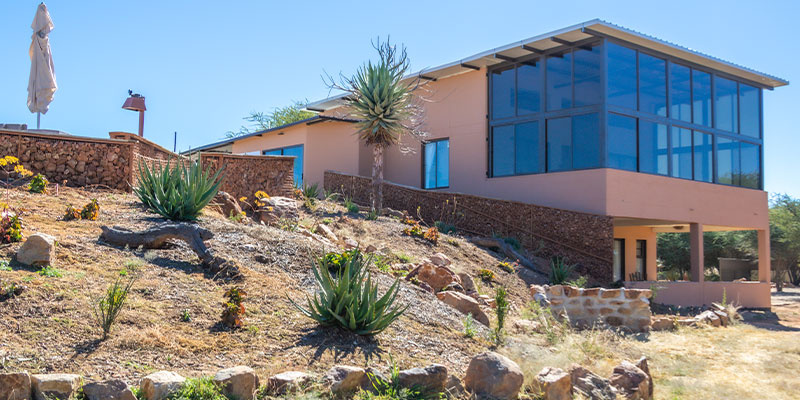
Living conditions are dormitory style and you will share living and sleeping space with others. There are separate male and female rooms with shared bathroom facilities. When conducting field work, living conditions often consist of camping in the bush.
Because we are not-for-profit organization and entirely supported by donations, volunteers and student interns must make a mandatory donation to ACK. This covers all living expenses at ACK, training and supervision during your stay. Your generous donation allows us to continue to run our research, outreach and education programs.
Thank you again for your interesting in volunteering with us. We hope to hear from you soon.
Sincerely,
Mary Wykstra,
Action for Cheetahs in Kenya