

The Problem
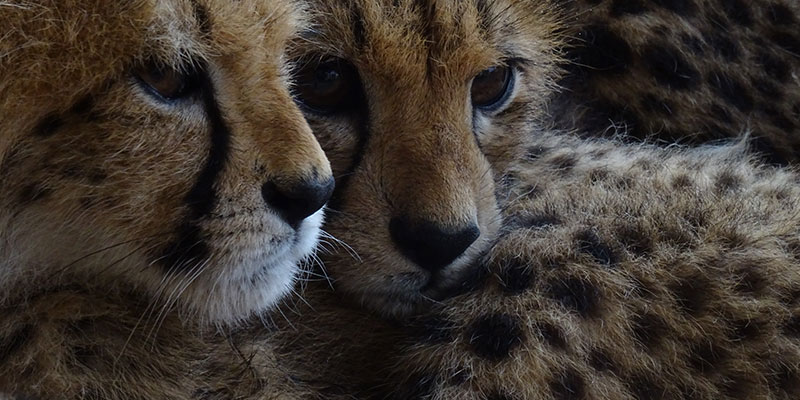
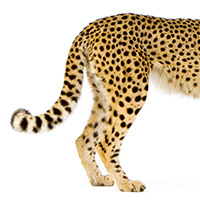
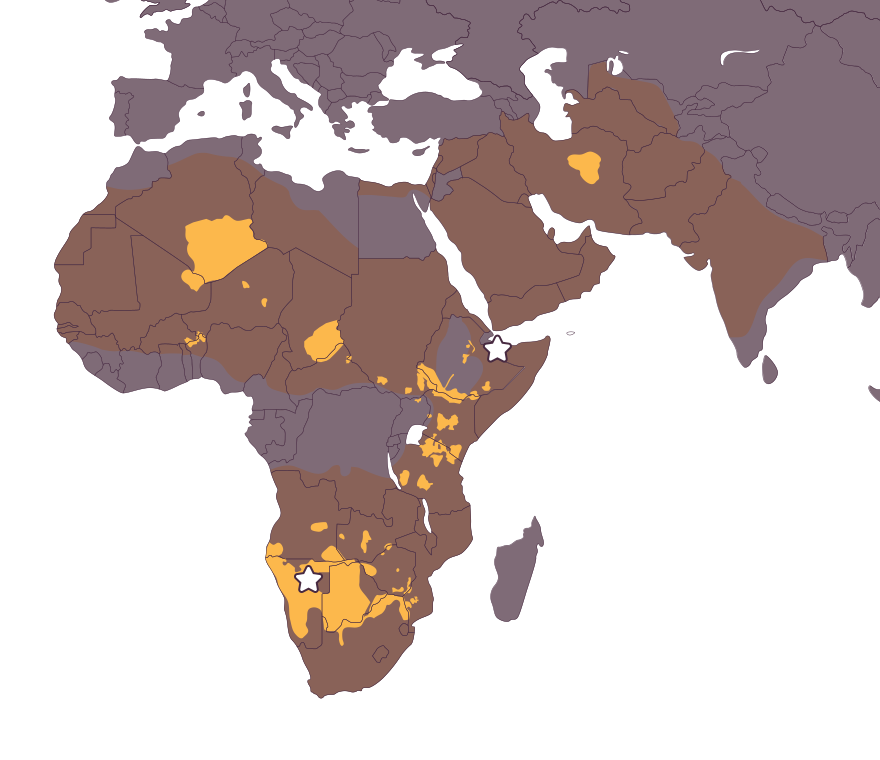
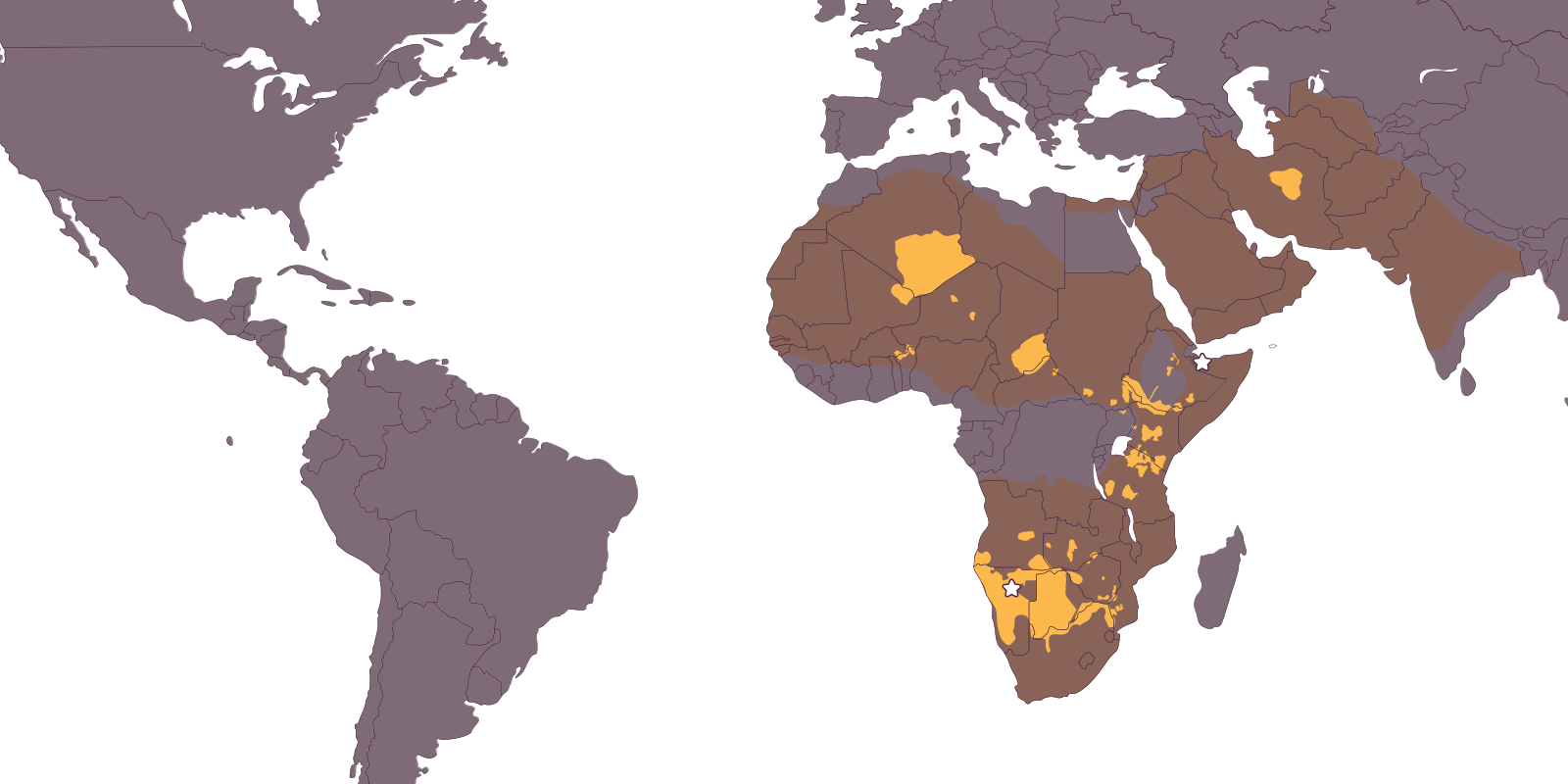
The world's fastest land animal, the sleek and long-legged cheetah, Acinonyx Jubatus, is losing its race for survival. Once a common animal found on five continents, the cheetah is now an Endangered Species.
Loss of habitat, conflict with humans, as well as its own loss of genetic variation, are the main threats facing the cheetah today.
The cheetah needs large expanses of land to survive, but with changes in land use and habitat pressures, such as bush encroachment, this area is becoming smaller and smaller. Unfortunately, captive breeding efforts have not proven meaningful to the cheetah's hopes of survival.
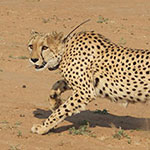
Cheetahs can reach speeds of over 70 mph, but are extremely clumsy fighters. The result is that although the cheetahs are the best hunters in Africa, they lose much of their prey to the more aggressive predators, such as lions and hyenas, who chase them away and steal their food.
The largest population of cheetahs is in Namibia, a country that is now growing more independent and democratic. With the country's expansion, there was a drastic decline of the cheetah population in the 1980s, when the population was halved in a 10-year period, leaving an estimated population of less than 2,500 animals. At the beginning of the 1990s, when CCF began its work with the farming community, a gradual change has occurred within Namibia, and over the last couple of years the population has stabilized. CCF's research has shown that most recently farmers have more tolerance for cheetahs and are killing less, and those that are being killed are linked to livestock losses. More frequently farmers are calling CCF to help them.
Only the "human animal" can save the cheetah from extinction. And that is why the Cheetah Conservation Fund now works in Africa.