Science and Research
RESEARCH GOAL
To provide scientific support for conservation activities.
RESEARCH OBJECTIVES
- To gather and analyse biological and ecological data of cheetah specific to each range country
- using best practice methods developed at the Namibian centre
- To better understand the cheetah’s ecosystem by evaluating habitat, prey base and monitoring other carnivores
- To evaluate various non-lethal livestock management and predator control techniques
- To collaborate with other research organisations
The Cheetah Conservation Fund (CCF) is engaged in a variety of research programmes which provide scientific support for conservation activities. The Fund presents its research findings at international conferences and in scientific publications.
Quick links:
Biological Research - Behaviour/Demographics - Ecology - Conflict - Partnerships
BIOLOGICAL RESEARCH
The cheetah is one of the most specialized of the 37 cat species with only one species in its genus, Acinonyx. During the 1980s, CCF's research collaborators studied many aspects of cheetah biology including genetics, reproductive physiology, and virology. These early studies identified the cheetah’s limited genetic variation that results in reproductive and health problems.
-
GENETICS, OVERALL HEALTH, AND REPRODUCTION
CCF's on-going research on wild cheetah includes collecting and analysing blood, skin, tissues, sperm, and faecal samples to study the genetics and relatedness of the population, indicate the incidence of disease, stress hormone levels, and the reproductive health of the population. Wild caught cheetah undergo comprehensive examinations, including weighing and measuring for morphometric studies, analysis of their dental structure and reproductive fitness. These contribute to an ongoing evaluation of the overall health of the world’s cheetah population. Learn more.
-
THE APPLIED BIOSYSTEMS CONSERVATION GENETICS LABORATORY
To address the challenge of effectively monitoring the wild cheetah population, a new high - tech DNA laboratory conducts a non-invasive, genetic monitoring programme to provide accurate population estimates of cheetahs in Namibia and other home - range countries. The laboratory also will be used to address research questions involving cheetah gene flow and geographical patterns of genetic variation, as well as adaptive questions related to the cheetah’s behavioural ecology in specific habitats. To assist CCF researchers a scat-sniffing dog is used to help find scat for DNA analysis. The lab will also play a key role in training the next generation of wildlife geneticists.
-
SCAT DETECTION DOGS
Trained scat sniffing dogs help CCF ecologists find cheetah scat which DNA is then extracted to identify individual cheetahs and understand cheetah population structure. CCF’s research will continue to help shape conservation policies for cheetahs in Namibia and other cheetah range countries.
-
GENOME RESOURCE BANK
CCF has developed best - practice techniques for storing of sperm, tissues and blood samples in its Genome Resource Bank (GRB), to provide 'insurance' for the cheetah’s survival. As a result CCF maintains one of the largest GRB’s for an endangered species. Cryopreservation methods continue to be studied and refined in collaboration with the Smithsonian Institution in Washington DC, USA.
BEHAVIOUR DEMOGRAPHICS, HOME RANGE AND REINTRODUCTION
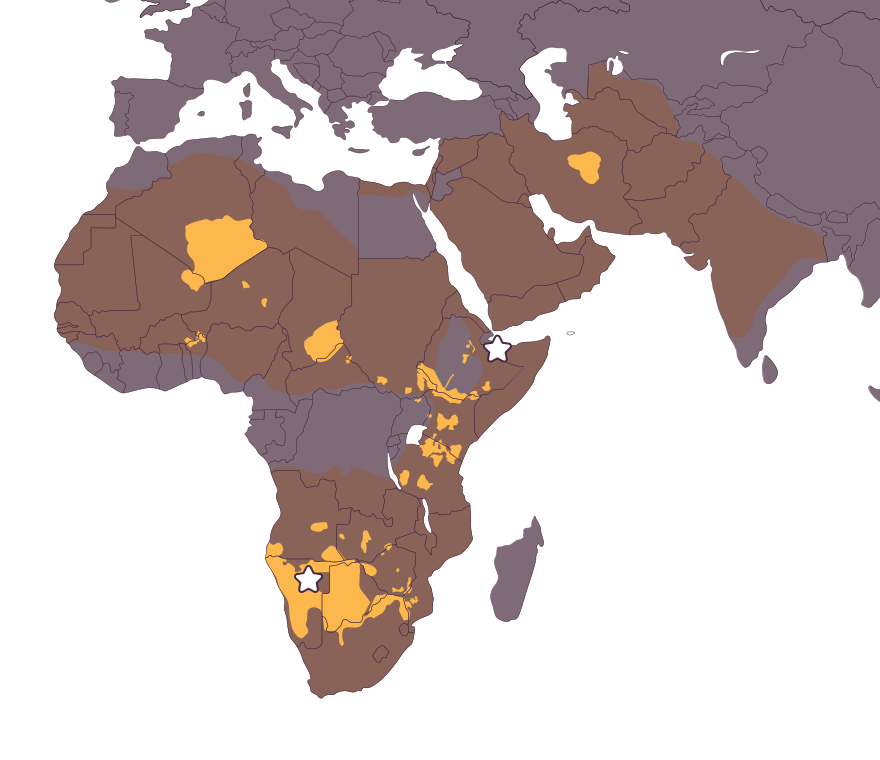
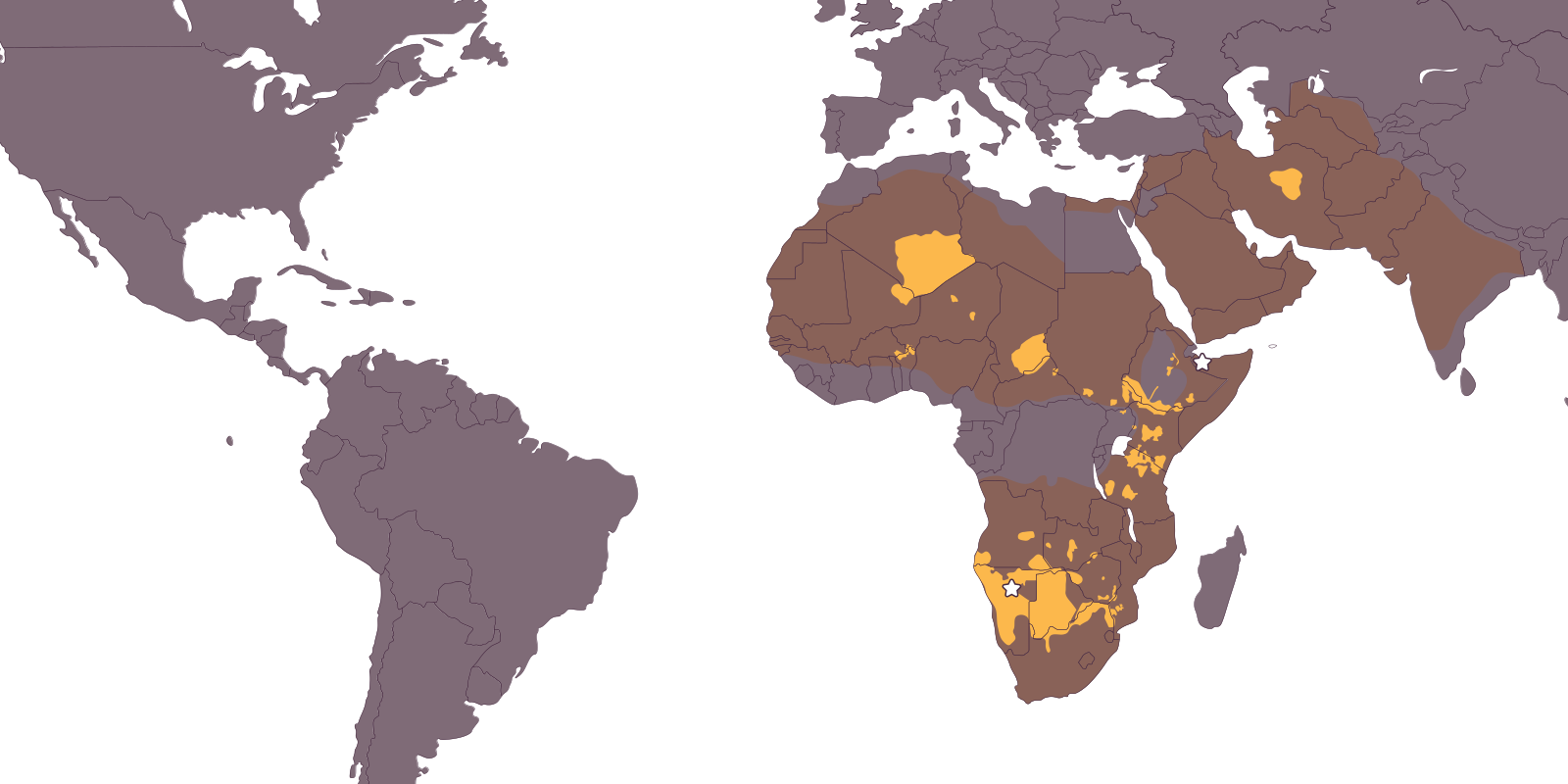
CCF researchers continue to investigate the movement of the cheetah to determine home ranges, habitat preference and seasonal use, territoriality, and behaviours unique to individual cheetah populations that may be critical for their survival. In conjunction with CCF conservation programmes, researchers evaluate appropriate programmes of relocation, reintroduction, and non-invasive monitoring methodologies to ensure a viable wild population. CCF also gathers data on the status of wild cheetah populations and on the relationship between humans and cheetah, to evaluate threats to the cheetah.
CHEETAH CENSUS RESEARCH
Cheetah are very difficult to count using conventional census techniques due to their secretive nature. CCF researchers have been testing various census and monitoring techniques, including radio-telemetry, spoor track counts and camera traps and calibrating these to existing known density estimates in its research study area. These data will prove invaluable in identifying and addressing threats to the long-term survival of the cheetah. They will also assist in developing and testing the most effective conservation strategies, and in persuading key stakeholders to adopt appropriate cheetah conservation measures on Namibian farmlands and potentially in other regions of Africa. Learn more.
ECOLOGICAL RESEARCH
CCF works to better understand the cheetah's ecosystem by evaluating habitat, prey base and monitoring other carnivores. Specific ecosystem research includes:
-
VEGETATION STUDIES
CCF identifies vegetation and monitors growth patterns within CCF study areas, identifies target areas for ecological management, and investigates how bush encroachment affects biodiversity.
-
PREY BASE STUDIES
CCF monitors habitat use by game species within CCF study areas and determines cheetah hunting strategies and prey preferences for individual populations. The Fund also collates historical data regarding predation, develops methodologies for the reintroduction of prey species, and encourages standardised prey studies in other cheetah range countries.
INVESTIGATING HUMAN AND WILDLIFE CONFLICT
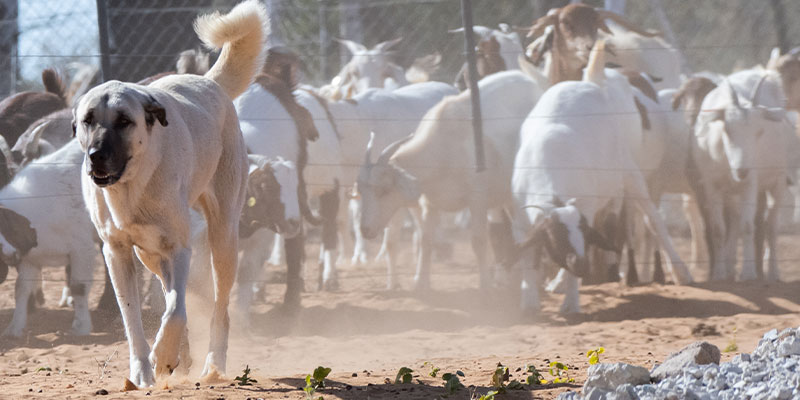
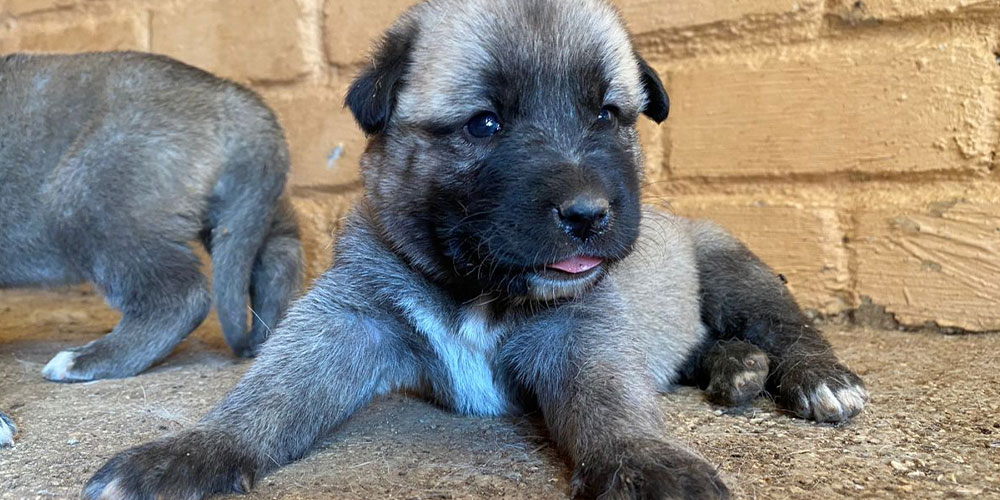
Research into human and wildlife conflict is critical for cheetah conservation. CCF collaborates with farmers to better understand traditional farm management techniques and perceptions. Incorporating farmers’ goals and objectives into research findings about the cheetah and its ecosystem enables CCF to develop agricultural management plans that are mutually beneficial for cheetahs and farmers. CCF evaluates various non-lethal livestock management and predator control techniques that can reduce the indiscriminate removal of cheetah. The CCF research programme includes CCF as a model farm and non-lethal predator control such as livestock guarding dogs.
COLLABORATIVE PARTNERSHIPS
CCF works closely with many research institutions around the world. Long-term research programme partners include:
Smithsonian Institution
United States National Cancer Institute
University of California at Davis
Cincinnati Zoo & Botanical Garden
White Oak Conservation Center
Oregon State University
Polytechnic of Namibia
University of Namibia
EarthWatch Institute
Cheetah Species Survival Plan of the American Association of Zoos and Aquariums (AZA)
European Endangered Species Programme of the European Association of Zoos and Aquariums (EAZA)
Cat Specialist Group of the World Conservation Union (IUCN)
Namibian Ministry of Environment (MET)