
The Great Keyna Cheetah Census

CCF Kenya Contact Information:
PO Box 1611 Sarit Center
Nairobi, Kenya 00606, Africa

Tel +254 733997910
Email Email CCF Kenya

Remember to send your Kenya cheetah photos to cheetahcensus@vintageafrica.com

The current status of cheetah in Kenya is an estimate. Methods of census of cheetah are being tested throughout the cheetah's range regions. The task of censusing cheetah in Kenya will allow Kenya to be a leader in the development of methodology in cheetah census.

The Cheetah Conservation Fund/Kenya (CCFK) works in affiliation with Kenya Wildlife Service (KWS) and the task of census will be done in cooperation with KWS ground personnel, supplemented by training and additional resources (vehicles, people, etc.) where necessary. CCF's network of collaborators and contacts has enabled us to hold two workshops to gather key people interested in research and education initiatives for the planning of cooperative data collection and dissemination of information on the plight of the cheetah.

One of the main objectives is the determination of cheetah densities within and outside of Kenyan Parks and Reserves. In cooperation with KWS, East African Wildlife Society (EAWLS) and other NGOs and researchers, we aim to launch censusing efforts by July 2004. This project proposes to develop and conduct a census of cheetahs throughout Kenya using a multi-level approach. EAWLS has made it one of their goals to census predators throughout East Africa. In a cooperative partnership with EAWLS, CCFK has initiated data collection through a review of historical records in search of reports of cheetah information from 1997. Once the historical data is compiled, the combination of interviews and area evaluation ('ground truthing') will be conducted by ground teams.

While most predators are viewed as a threat to the livelihood of Kenyan farmers, the cheetah is typically viewed as a minimal threat. Still, reported cheetah sightings have decreased in the last several years making it important to learn the reality and reason(s) for the apparent drop in numbers. The cheetah is an example of a species under threat through conflict with humankind. Information collected through record searching includes human/wildlife conflict issues.

The definition of census is a count that includes details of sex, age and numbers for a population of a given species in a given area. The census of predators is a difficult task, yet estimates on predator populations are necessary in order to know the areas that pose the greatest need for conservation action. Decisions on focused studies of cheetahs depend on the identification of sustainable population densities.

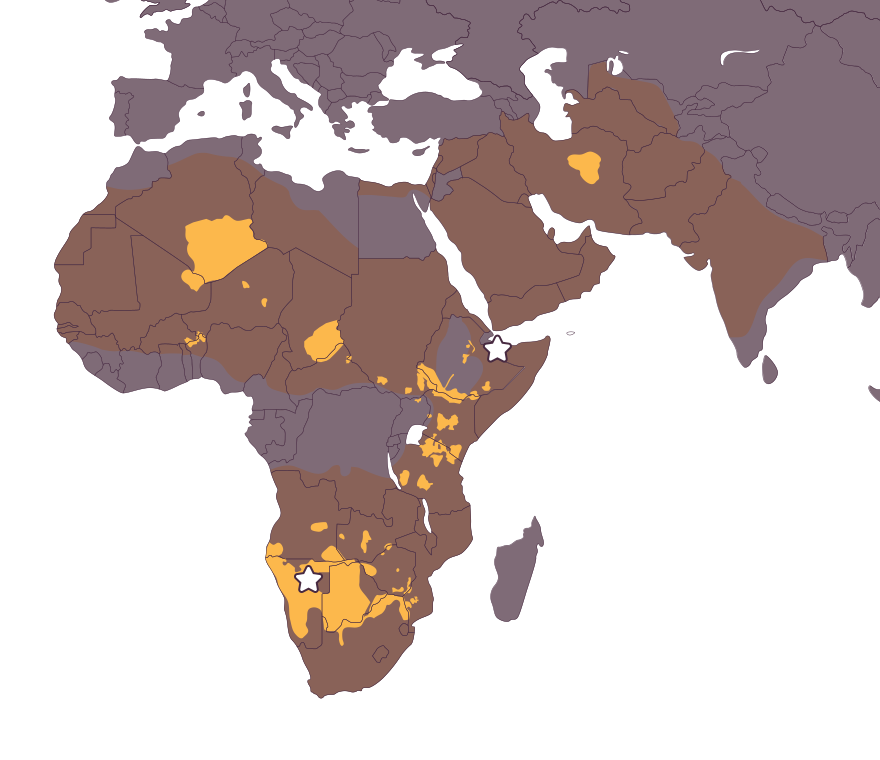
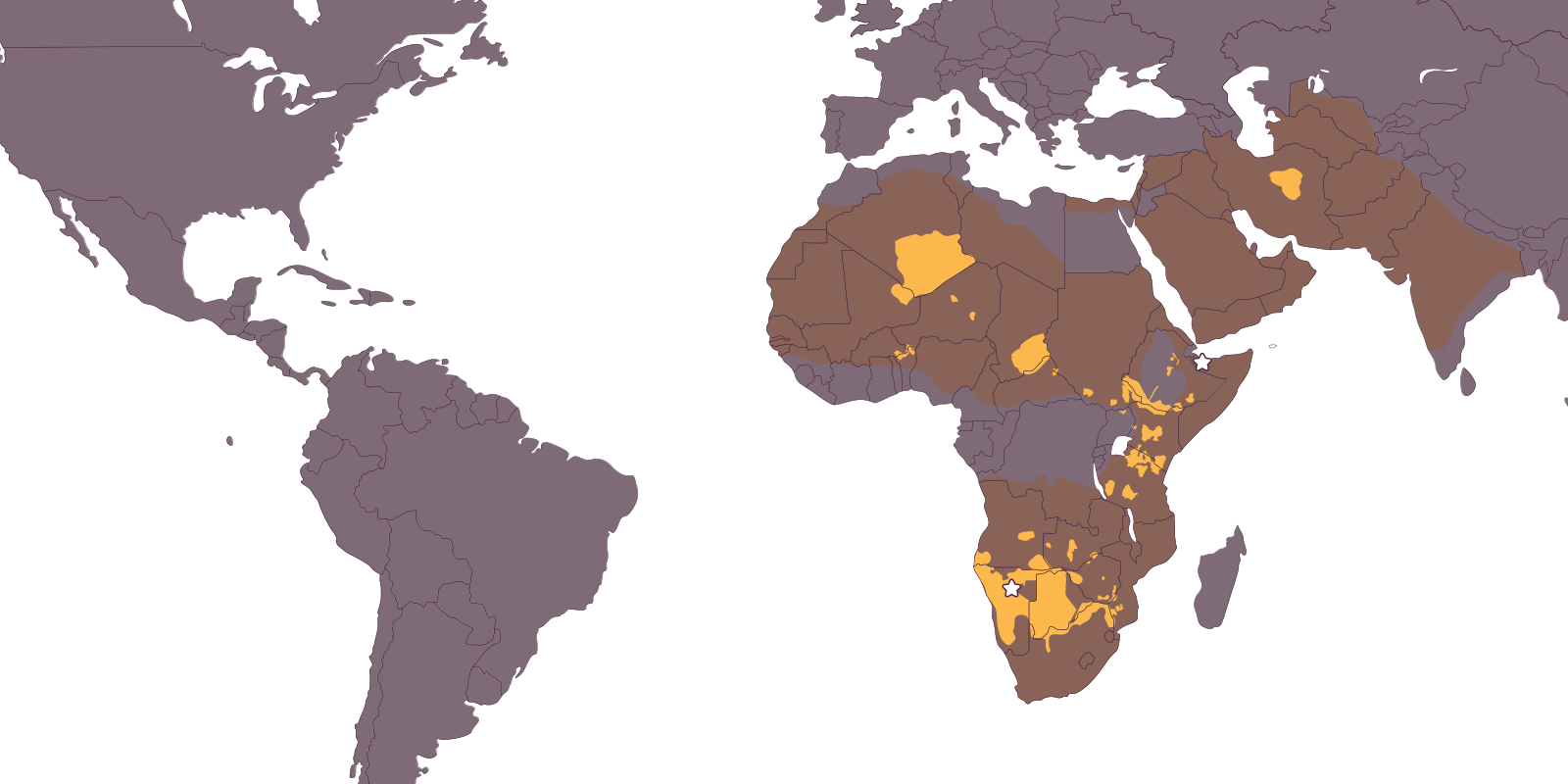
In Kenya, cheetahs have traditionally been found nearly everywhere. Past data on cheetah numbers, collected mainly from protected areas, has been used to estimate cheetah numbers in Kenya at less than 1000 (CCF: 2000). Past cheetah population estimates in Kenya have been based mainly on studies within the park systems, yet it is estimated that as many as 90% of cheetahs live outside of protected parks and sanctuaries. The easiest places to sample cheetahs are typically inside the parks where they become habituated and are easier to locate than the shy and more elusive ones who live outside of the parks.

Several past studies have attempted to prove or contradict the issue of declining cheetah populations in Kenya. (Graham and Parker, 1965; Meyers, 1975; Hamilton, 1986 and Gros, 1989-90). While these studies give conflicting results in estimating the trend, the final study (Study conducted 1990, published by Gros in 1998) found that cheetah populations had "...remarkable stability in Kenya".

Contrary to studies in many of the other cheetah range countries, Gros reports that cheetah populations were higher inside of the protected areas than outside. The estimated drop in wildlife numbers in Kenya is alarming; some estimates suggest a loss up to 70% since 1990 (KWS 2002).

Focusing on the interdependency of predators and prey with human issues CCFK evaluates the role of cheetah and the importance of their survival in Kenya. Most farmers want to understand the balance necessary for the benefit of the co-existence of wildlife and humans, but lack the proper information on which to base sound management decisions. Human disturbance and habitat loss are ranked as the largest threat to cheetah.

Land fragmentation in Africa is a serious issue. As human population continues to increase there is a higher demand for land rights. This affects the cheetah as increased agricultural pressures and subdivision of land means a decrease in available habitat for the cheetah and other wildlife species. A cheetah's large home range is negatively affected by loss of habitat and prey as land fragmentation continues. Poaching, bush-meat trade and the decreasing tolerance for wildlife in conflict with human development affect the prey base, leaving the cheetah little choice but to opportunistically take goats and sheep. In order to conserve the cheetah, we must gain an understanding of the cheetah populations and the issues of their relationships within the communities that share their land with the wildlife.

In Kenya, a Wildlife Forum is comprised of individual farmers and group ranch representatives who have the common goal of managing their land for combined conservation and agricultural usage. Not all land/property owners belong to Wildlife Forums. Yet, most land/property owners in rural communities do come into contact with cheetah. A difficult task faced by CCFK staff thus far has been the identification of cheetah vs. leopard and other predators in rural communities. Photo identification can be used to identify different individuals. While it is not possible for any individual person to photo each cheetah in an area, questionnaire data can be supplemented with photos.

Photo campaigns have been launched by KWS and CCF. Posters developed in 2002 for the Mara Cheetah Project request tourists' photos be labelled by area and sent to KWS. CCFK launched brochures in 2003, THE GREAT CHEETAH CENSUS, requesting submissions of photos through lodges and tour operators in the target area of the Mara. 4000 brochures were distributed in affiliation with a Friends of Conservation tourism awareness campaign. Funding is being sought for additional printing to enable distribution in other areas. Campaigns aimed at increasing awareness and involving people in cheetah conservation efforts include the following:

  • The Great Cheetah Census was launched in collaboration with the Friends of Conservation in September 2003. This campaign uses hotel and vehicle brochures to request submission of photos taken of cheetah to use in a photo database. It requests tourists to submit photos of cheetah to assist with individual identification. Over 2000 brochures were dispersed into lodges and 2000 laminated brochures into tourist vehicles. CCFK maintains a database of over 800 photos, with more submissions being entered as they arrive.
  • The Snap-a-Cheetah project requests participation from community individuals in remote areas. Throughout CCFK studies it has been difficult to know if people have seen cheetah or leopard. While questions about the animal behavior have frequently assisted in determining what cat has been seen, it often leaves CCFK with undetermined results. CCFK initiated distribution of 500 one-time use cameras into rural areas and requests the submission of photos including cheetahs, other wildlife, livestock losses and general habitat. Prizes for participation encourage the return of the cameras and prizes for best photos of cheetahs will aid in awareness of cheetah presence. The 40 test cameras distributed in 2005 have resulted in less than a 50% recovery rate of the camera.

HOW YOU CAN HELP -Snap-A-Cheetah Programme

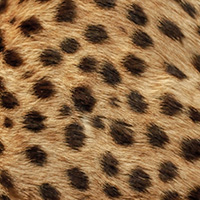
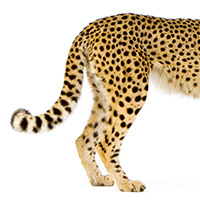
  • Send us your photos for the Great Cheetah Census. In order to develop a photo library for reference in individual cheetah identification we need photos that include full body shots of cheetahs since 1997. These photos should ideally include the head, body, feet and tail. The cheetah can be sitting or standing in any position. The more detail you can submit of date and location the better. We can accept photos in print, slide and digital format. It is best if digital photos are burned onto a disk and mailed to CCF (email access is extremely slow for downloading photos). Mail photos to: Cheetah Conservation Fund/ Kenya, PO Box 1611 Sarit Centre, 00606 Nairobi, Kenya, East Africa. Email: cheetahcensus@vintageafrica.com
  • Thanks to the following donors 550 cameras have been donated for the project:
    • Hinsbrook Bank, Illinois
    • Rafael Dubois, London
    • Jason Peterson and Utah's Hogle Zoo, Salt Lake City
    • Louisville Zoo, Louisville
    • Peterson Photography June 2004 group, Calgary
    Additional support can be made by assisting with developing costs and printing of t-shirts to thank the participants. Donations for this project should be specified for the Kenya Snap-A-Cheetah project and sent to: Cheetah Conservation Fund, Kenya, PO Box 1611 Sarit Center, Nairobi Kenya 00606, Africa; or for US residents in US$ (tax deductible) to CCF USA: PO Box 198072, Cincinnati OH 45219-8072; or for UK residents: CCF UK: PO BOX 151, Godalming, Surrey GU7 2XW (a registered trust in the UK).
  • Donating funds for getting film developed - Expo Camera of Nairobi will give us a 30% discount, but each of the 550 cameras will require $5.00 for developing and printing.
  • Make a donation to assist in covering costs for printed materials distributed in conjunction with the Census awareness campaigns, computer identification programs and photo developing. Donations can be made to CCF US and UK offices with the subject line containing Kenya Census Campaign.