ACK (Action for Cheetahs in Kenya)

From the beginning of 2009, Mary Wykstra's organisation, Action for Cheetahs in Kenya (ACK), becomes an independent CCF affiliate. Click here to read Mary Wykstra's announcement. PDF Document

The new ACK project comes under a programme called CaLL (Carnivores, Livelihoods and Landscapes). The Kenya cheetah team remains affiliated with CCF and is grateful for the support that CCF has given in eight years of support and advice.  

 
Action for Cheetahs in Kenya (ACK)
PO Box 1611 Sarit Center
Nairobi, Kenya 00606, Africa
Tel +254 733997910
Web: www.actionforcheetahs.org/
Email Email ACK

Stay up to date with ACK's activites. Click here too visit their blog.

Check out ACK's Wish List here.

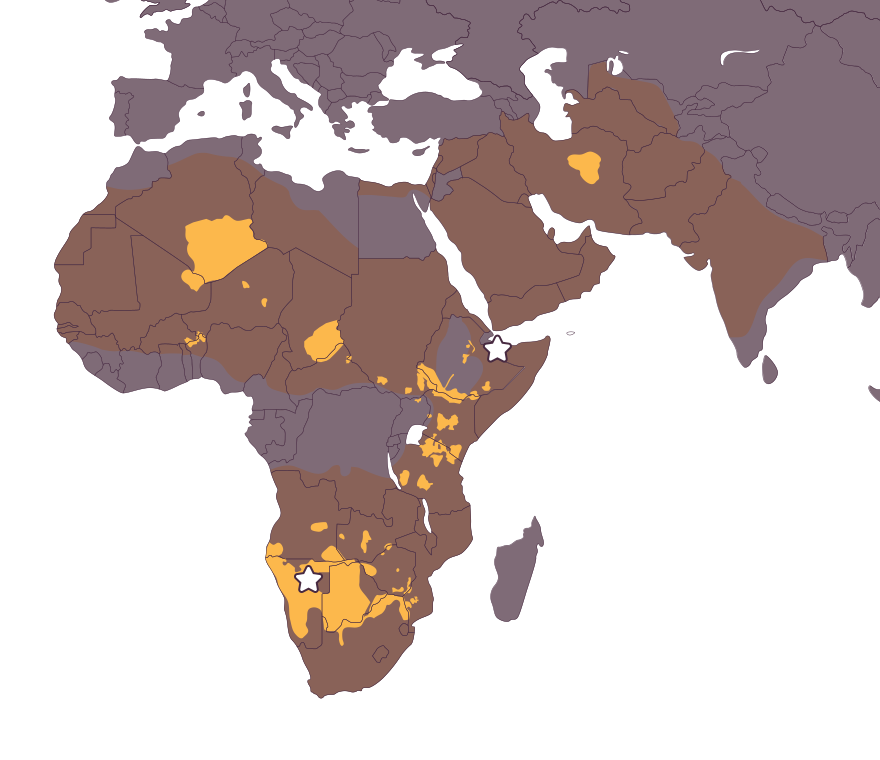
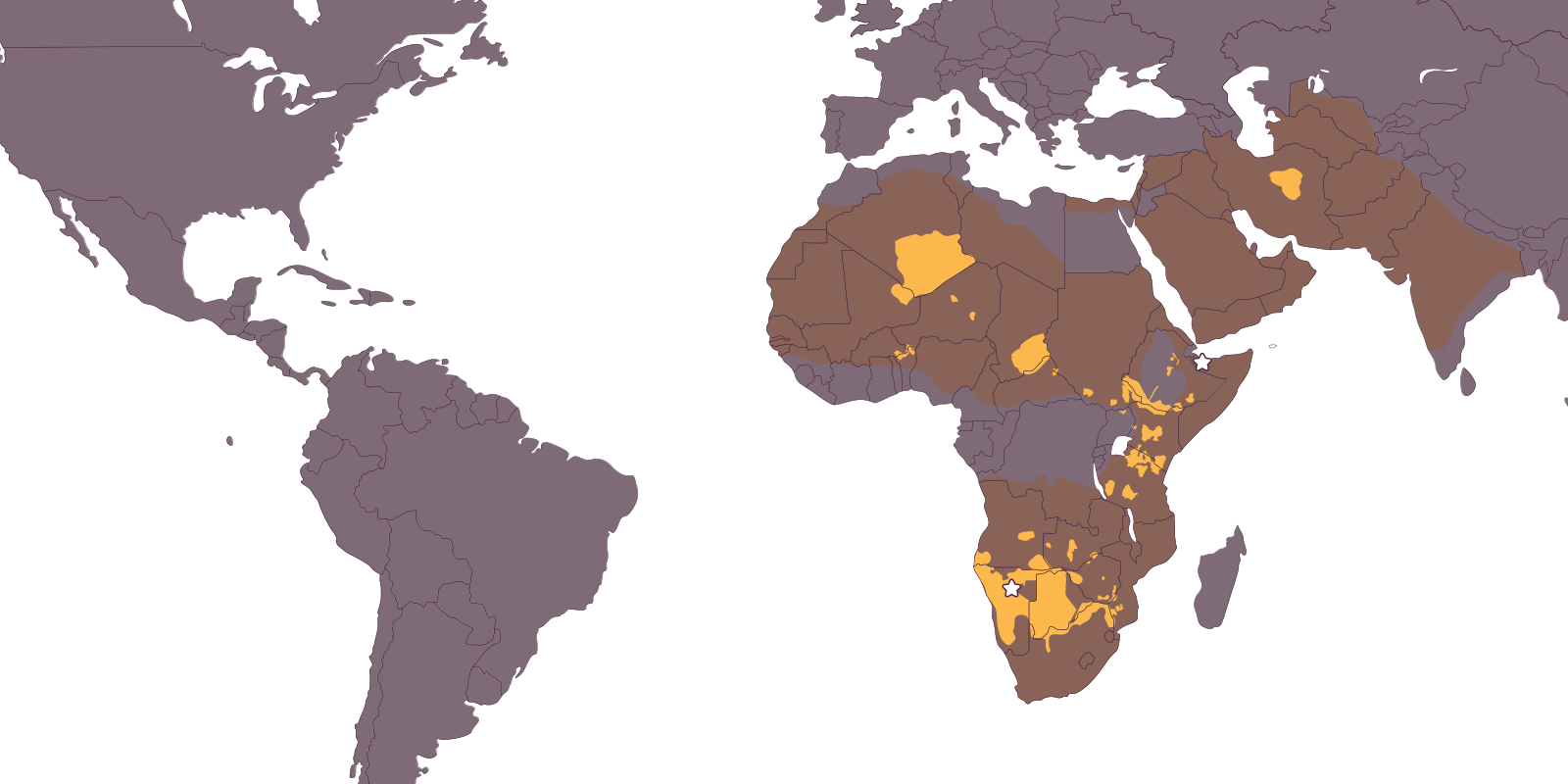
No one knows how many cheetahs are left in Kenya. Based on previous studies conducted in national parks, it is estimated that only five hundred to a thousand may still be living in the wild. At this time, evidence suggests that the numbers are rapidly decreasing.

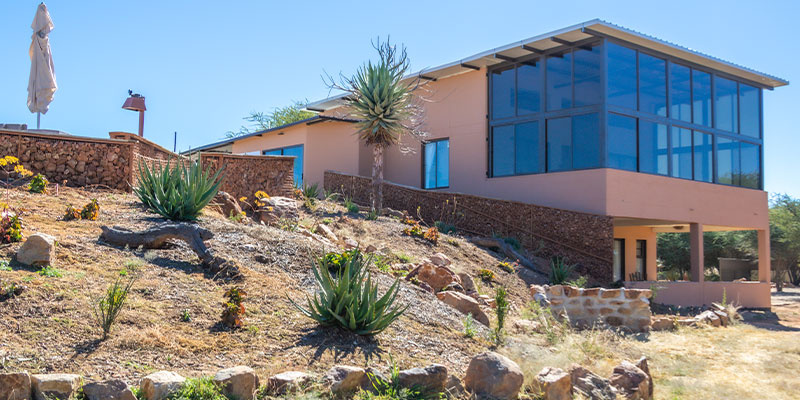
The Cheetah Conservation Fund - Kenya (CCFK) project was initiated in 2001 with the goal of initiating cheetah research in Kenya to understand the issues facing the survival of cheetahs. Since July 2005, the CCFK base of operations has been from a home in the Mt. View Estate just 3km north of Westlands, Nairobi. The Kenya Representative, Mary Wykstra, and Research Assistant, Cosmas Wambua, develop research and education programs under the support and mission of the Cheetah Conservation Fund (CCF). CCFK works in affiliation with the Kenya Wildlife Services (KWS) under a permit through the Ministry of Education, Science and Technology. Sarah Brooke joined the Kenya team as a volunteer research assistant focusing efforts on the human wildlife conflict issues in the Machakos Wildlife Forum (MWF). Lumumba Mutiso works with CCFK as a Community Liaison Officer in the MWF collecting information on livestock losses and cheetah movements in the Makueni region.

Under the umbrella of CCF Namibia, CCFK was established to evaluate the pressures of habitat change and rapid human population growth and to understand issues facing cheetahs as they come into greater contact with mankind. Specifically, CCFK conducts field research to understand predator conflict issues. The project implements educational programs to increase awareness by community members of cheetah issues and in conjunction with the Kenya Wildlife Service (KWS), CCFK evaluates the overall status of cheetahs within Kenya.

Due to the fact that cheetah in other range countries exist in high numbers outside of protected areas, it is essential that we achieve a greater understanding of ranch land habitat issues. Within national parks, large predators like lions, leopards and hyenas exist in large numbers, thus threatening the livelihood of cheetah. Outside of sanctuaries, these large predators are often chased out or killed. As a result, cheetah are believed to live in larger numbers on private ranch lands. But since there have been no recent studies outside protected parks in Kenya, it is imperative that we learn more to reduce human/cheetah conflict.

BACKGROUND

In December 2001, CCF Kenya Representative Mary Wykstra moved to Kenya to initiate the study of ranch land issues in the Nakuru Wildlife Forum Area. Situated in the Rift Valley, the Nakuru - Naivasha District has traditionally been an important migratory corridor for cheetah and game between the northern and southern regions of Kenya. While resident cheetah populations have never been extremely high in the area, the number of sightings since 1990 had decreased so dramatically that concerned farmers within the Forum Area requested assistance in assessing how they could manage their land and wildlife in order to increase animal populations.

Since that time, CCFK has been conducting interviews with local landowners and managers, working cooperatively with other NGOs to develop education programs within the Nakuru District, conducting lectures to tourist groups to increase international awareness of cheetah conservation issues, and upon notice of cheetah sightings, tracking and studying living cheetahs in the wild. CCFK is currently increasing its database of cheetah sightings and building a resource bank of cheetah information share with other cheetah organizations worldwide.

In addition, since 2002, the Kenya Wildlife Service's (KWS) cheetah group, under the direction of researcher Martin Mulama, and CCF Kenya, headed by Mary Wykstra, have been working cooperatively to gain an understanding of the number and demographics of cheetah in Kenya. In 2003, CCF Kenya (CCFK) and Kenya Wildlife Service (KWS) held two joint workshops on cheetah conservation efforts in Kenya at the KWS Training Institute in Naivasha. The workshops aimed to bring people together who are interested in cheetah conservation in Kenya and to determine gaps in ongoing efforts.  Click here to read more about this workshop.

MEET THE ACK PROJECT STAFF:

Mary Wykstra - Senior Research Assistant - Kenya - more....
Cosmas Wambua - Research Assistant - Kenya (2002 to present) - more ...
Lumumba Mutiso - Community Development Officer - Kenya (2004 to present) - more ...

ACK Wish List

  • $1,500 – (2) DELL laptop computer