
CCF Concludes Annual Cheetah Workups
FOR IMMEDIATE RELEASE
CONTACT: Dr. Laurie Marker (ph: 0811247887) or Dr. Bruce Brewer (ph: 067-306225 or 0811247799)
Annual Physicals of Cheetah Conservation Funds Captive Cheetahs
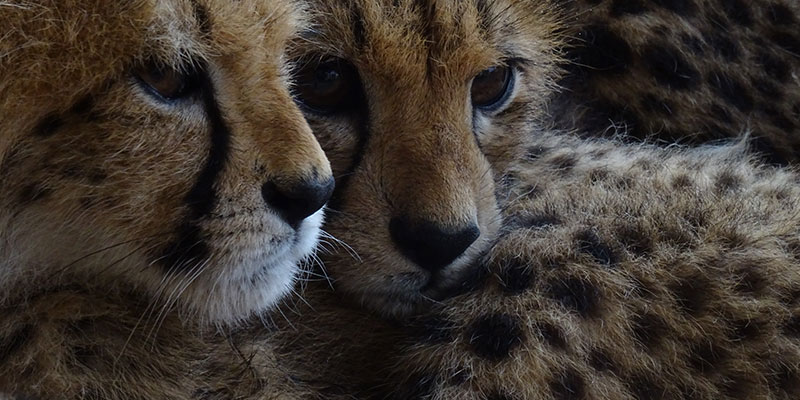
Otjiwarongo, Namibia (24 April 2009) - April has been a busy month at the Cheetah Conservation Fund's (CCF) International Research and Education Centre near Otjiwarongo as annual physical exams were conducted on their 47 resident cheetahs. For the third year, Dr. Carlos Sanchez, Associate Veterinarian from the Smithsonian Institution's National Zoo, and reproductive physiologist Dr. Adrienne Crosier, worked together with Dr. Laurie Marker and her staff and volunteers for two weeks to anesthetise each cat and give vaccinations, overall physical health check-ups, including endoscopic exams and ultrasound. In addition, sperm was collected on 11 adult male cheetahs for on-going studies on the preservation and thawing of cheetah sperm. Since 2002, a total of 286 semen collections have been added to the CCF Genome Resource Bank (GRB) from 85 individual cheetahs. CCF continues to bank serum, white and red blood cells and skin samples on all cheetahs. Currently the GRB holds over 1600 samples., with back up samples held at both CCF as well as at the National Cancer Institute in Maryland, USA.
Internationally, cheetahs suffer from gastritis, an inflammation of the stomach that is caused by spiral bacteria and impacts negatively on the animals' health. Stress is implicated as one of the possible causes of this disease. The long-term research into the causes, levels and effects of gastritis in cheetah, undertaken in collaboration with Drs. Linda Munson and Karen Terio (University of California, Davis), and Dr. Scott Citino from the White Oak Conservation Centre in Florida. All CCF's animals were endoscoped to monitor presence or absence of gastritis and small biopsies collected for analysis. Over-all CCF's cheetahs are very healthy and provide a baseline for this long-term international research project.
The team worked for over two weeks with four to five cheetahs per day worked on. Each cheetah takes about one and a half hours under anaesthesia, and there is preparation and setup as well as cleanup after each cat. In addition, someone monitors each cat's wake-up process. Most all CCF cheetahs were given great bills of health; however, three of CCF's older cheetahs have some dental problems, and appointments have been made for them at Otjiwarongo's dentist, Dr. Profit.
Along with the endoscopies, fourteen days of faecal samples are collected on each of CCF's cheetahs and processed to evaluate Cortisol levels.
Working with Dr. Gregory Barsh from Stanford University and CCF's geneticist, Dr. Anne Schmidt-Kuntzel, small skin biopsies were collected for a coat pattern study. This study will allow to better understand the molecular pathways that lead to the cheetahs spots!
Editor's notes:
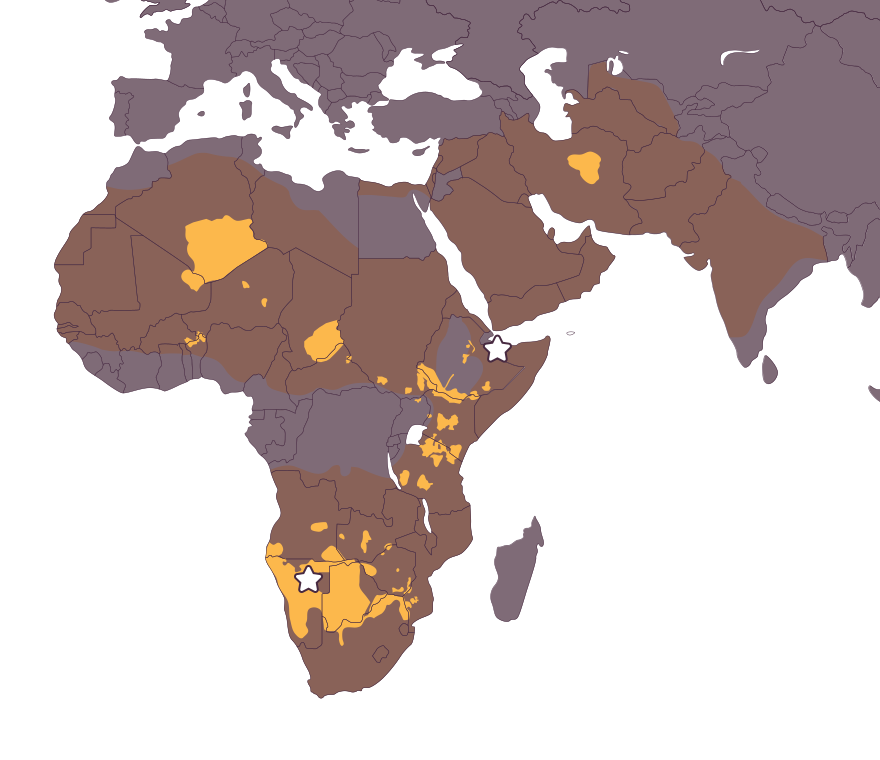
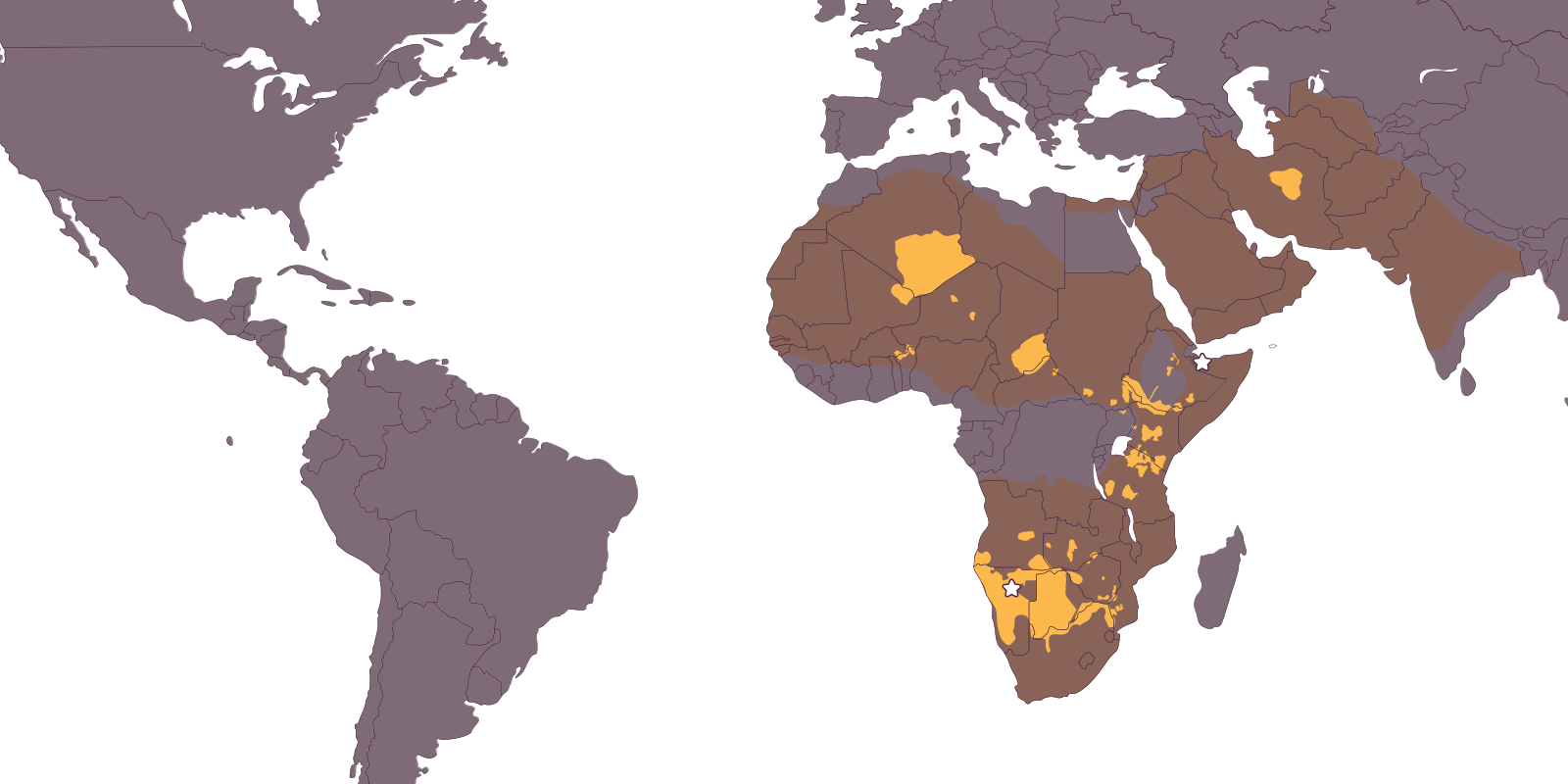
- The Cheetah Conservation Fund is a Namibian non-profit trust dedicated to the long-term survival of the cheetah and its ecosystems. CCF's mission is to be an internationally recognized centre of excellence in research and education on cheetahs and their eco-systems, working with all stakeholders to achieve best practice in the conservation and management of the world's cheetahs.═As═Namibia═hasthe largest and healthiest population of cheetahs left in the world, CCF's International Research and Education Centre is based in═Namibia, near Otjiwarongo, in southern Africa.
- CCF's strategy to save the wild cheetah is a three-pronged process of research, conservation and education, beginning with long-term studies to understand and monitor the factors affecting the cheetah's survival.═These include conducting intensive scientific research on cheetah genetics, biology, health and reproduction.
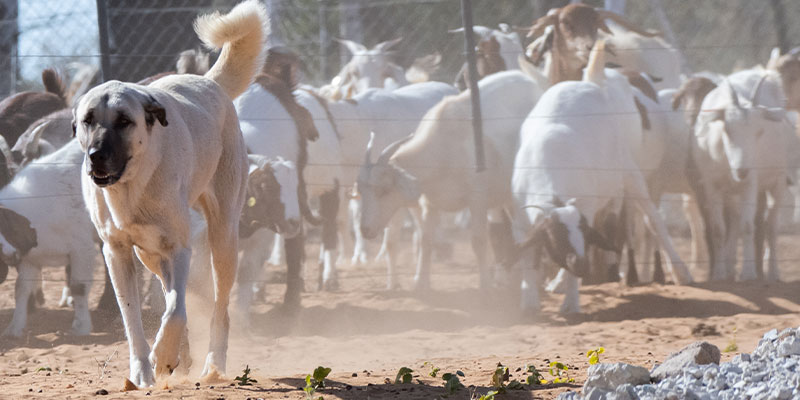
- Since 1990, the organisation has developed education and conservation programmes based on its bio-medical cheetah research studies, published scientific research papers, presented educational programmes to over 250 000 outreach school learners, donated over 250 Anatolian livestock guarding dogs to commercial and communal farmers as a non-lethal livestock management programme, and has established a cheetah genome resource bank of cheetah sperm, tissue and blood samples.
- Research into cheetah biology and ecology has greatly increased our understanding of the fastest land animal, and education programmes for schools and the farming community help change public attitudes to allow predator and humans to coexist. However, despite the many successes of CCF programmes, the cheetah is still Africa's most endangered big cat.
- The captive cheetah population is approximately 10% of the world's remaining cheetah population with about 1400 cheetahs in about 165 zoological institutions in about 65 countries throughout the world. Annually there are about 150 cubs born with approximately a 26% infant mortality. A female cheetah can have from one to eight cubs born after a 93-95 day gestation with an average litter of 4-5. Dr. Laurie Marker is the International Cheetah Studbook Keeper and registers all cheetahs living in captivity in the world.
Namibia CCF contact address:
PO Box 1755, Otjiwarongo
Tel (in Namibia): (067) 306225
Tel (international): (264-67) 306225
Fax: (067) 306247
E-mail: cheeta@iafrica.com.na
Website: http://www.cheetah.org
Photo Captions:


#5419 – Dr. Carlos Sanchez, veterinarian from the Smithsonian Institution’s National Zoo, and Cheetah Conservation Fund’s veterinarian technician, Rachel Wells (left) and resident veterinarian, Margarita Woc-Colburn, conduct endoscopy on one of the CCF’s orphan cheetahs while under anesthesia during the annual health check ups.

#4554 – CCF’s Veterinary Technician, Rachel Wells, checks heart rate on an anesthetized cheetah during CCF’s annual checkups. Dr. Carlos Sanchez conducts endoscopy to collect gastric biopsies while Dr. Margarita Woc-Colburn ultrasounds the cheetahs kidneys.